Stronger Starts Begin at Your Gym
You want a program that lasts beyond the hype and keeps members engaged through real progress, not fluff. We focus on systems that scale, so the daily grind stays manageable when schedules change or seasons shift. This playbook puts maintainability first, with clear checkpoints, light tracking, and smart guardrails that keep training safe and effective. Rather than hunting for quick spikes, we’ll use small cycles to test, learn, and iterate. You’ll get a crisp plan, pick the proper tools, run a steady schedule, limit errors, and care for equipment over its long haul. Get these right and progress compounds. Your community sees the shift, and coaches get room to serve instead of firefight.
Align goals and boundaries before action, map practical expectations
Start with a short intake that nails who, what, and how much, not a fuzzy vision. Gym sits between your initial notes and the final rollup so everyone sees the same plan. Translate wins into clear measures like weekly sessions, average load per lift, or interval times, plus timeline. Confirm hard limits upfront on coach hours, space, and class caps, then sequence must-haves before nice-to-haves.
When scope gets fuzzy, costs and risk balloon. Use a whiteboard drill: list constraints on one side and targets on the other, then match pairs until conflicts appear, quickly. This exposes trade-offs you can live with, like shrinking a class by six to keep rest intervals tight. Capture the final scope in one page everyone can carry.
Choose inputs that fit members, spaces, and schedule demands
Pick tools that do double duty, not shelf trophies. We log what each piece must achieve, Gym then we audit size limits, noise rules, and shared-use patterns. Say you’re outfitting a corner, a sled with low-friction mats might beat a rower if neighbors hate noise, but adjustable dumbbells trump a full rack on tight floors. Lean into lasting builds and standard fasteners so repairs stay cheap.
Stocking smarter means fewer downtime surprises. Keep a short list of interchangeables—bands for deloads, boxes for pulls, plates for deficit lifts—so sets never stall if one tool breaks. Create a color code for wear on straps and wraps, then cycle weekly, so aging gear is easy to pull. Low effort, high value.
Build steady workflows and predictable schedules that breathe with demand
Set a week cadence with clear anchors: test Monday, volume Tuesday–Thursday, skill Friday, light Saturday, off Sunday. We post blocks two weeks ahead, Gym then drop micro-updates daily at noon to plan around peak hours. Use traffic heatmaps to slide classes 15 minutes when crunches appear, avoiding overlap. Group priming drills to save minutes without clutter.
Reliable rhythm frees up attention. Coaches can onboard smoother when the flow repeats, and members learn timing like clockwork, cutting anxiety. When things shift, swap in «green» sessions—low setup, low coaching bandwidth—so throughput stays even when short-staffed. Document swaps once, reuse forever.
Raise standards while controlling risk through simple, visible checks
Quality is simple: clear reps, clean setups, and safe exits. We stick check strips near racks, Gym then coaches mark pass or fix using a yellow stripe system. Users adopt the colors and start self-correcting before heavy sets, reducing fails. Make spotter rules bold on eye-level signs, not in dense manuals.
Small habits often hide risk. Add two breath checks before max pulls and a five-second rack re-grip on pressing days, and technique locks in. Track near-miss notes on a shared card at the platform, daily, and review Friday for signals. One minute now can prevent weeks lost.
Care, upkeep, and lifecycle plans that protect performance and budget
Treat gear like an athlete with seasons: build, peak, maintain, refresh. We tag each item’s age and cycles, Gym then link it to a quarterly tune list with lubricate tasks. Schedule quiet-hour fixes so members keep training, no fuss. When finish fades, swap consumables—grips, bands, bushings—before they fail.
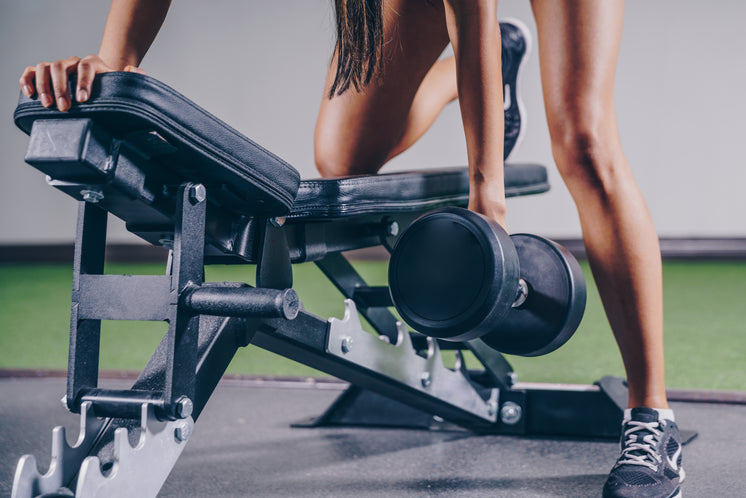
Lifecycle planning beats gut calls. A bar that costs more but lasts twice as long is the real bargain when sleeves stay true and knurl holds, especially in high-use mornings. Track cost per session in a simple sheet, then sell off aging items at planned intervals, not in crisis. That’s how growth stays safe.
Conclusion: Hold scope firm, choose better tools, lock cadence, show quality, and service on time. The combo protects progress through busy seasons and quiet stretches alike. You don’t need complicated tricks, just clear choices you can repeat and improve each cycle. Stack small wins and big outcomes arrive.
Align goals and boundaries before action, map practical expectations
Start with a short intake that nails who, what, and how much, not a fuzzy vision. Gym sits between your initial notes and the final rollup so everyone sees the same plan. Translate wins into clear measures like weekly sessions, average load per lift, or interval times, plus timeline. Confirm hard limits upfront on coach hours, space, and class caps, then sequence must-haves before nice-to-haves.
When scope gets fuzzy, costs and risk balloon. Use a whiteboard drill: list constraints on one side and targets on the other, then match pairs until conflicts appear, quickly. This exposes trade-offs you can live with, like shrinking a class by six to keep rest intervals tight. Capture the final scope in one page everyone can carry.
Choose inputs that fit members, spaces, and schedule demands
Pick tools that do double duty, not shelf trophies. We log what each piece must achieve, Gym then we audit size limits, noise rules, and shared-use patterns. Say you’re outfitting a corner, a sled with low-friction mats might beat a rower if neighbors hate noise, but adjustable dumbbells trump a full rack on tight floors. Lean into lasting builds and standard fasteners so repairs stay cheap.
Stocking smarter means fewer downtime surprises. Keep a short list of interchangeables—bands for deloads, boxes for pulls, plates for deficit lifts—so sets never stall if one tool breaks. Create a color code for wear on straps and wraps, then cycle weekly, so aging gear is easy to pull. Low effort, high value.
Build steady workflows and predictable schedules that breathe with demand
Set a week cadence with clear anchors: test Monday, volume Tuesday–Thursday, skill Friday, light Saturday, off Sunday. We post blocks two weeks ahead, Gym then drop micro-updates daily at noon to plan around peak hours. Use traffic heatmaps to slide classes 15 minutes when crunches appear, avoiding overlap. Group priming drills to save minutes without clutter.
Reliable rhythm frees up attention. Coaches can onboard smoother when the flow repeats, and members learn timing like clockwork, cutting anxiety. When things shift, swap in «green» sessions—low setup, low coaching bandwidth—so throughput stays even when short-staffed. Document swaps once, reuse forever.
Raise standards while controlling risk through simple, visible checks
Quality is simple: clear reps, clean setups, and safe exits. We stick check strips near racks, Gym then coaches mark pass or fix using a yellow stripe system. Users adopt the colors and start self-correcting before heavy sets, reducing fails. Make spotter rules bold on eye-level signs, not in dense manuals.
Small habits often hide risk. Add two breath checks before max pulls and a five-second rack re-grip on pressing days, and technique locks in. Track near-miss notes on a shared card at the platform, daily, and review Friday for signals. One minute now can prevent weeks lost.
Care, upkeep, and lifecycle plans that protect performance and budget
Treat gear like an athlete with seasons: build, peak, maintain, refresh. We tag each item’s age and cycles, Gym then link it to a quarterly tune list with lubricate tasks. Schedule quiet-hour fixes so members keep training, no fuss. When finish fades, swap consumables—grips, bands, bushings—before they fail.
Lifecycle planning beats gut calls. A bar that costs more but lasts twice as long is the real bargain when sleeves stay true and knurl holds, especially in high-use mornings. Track cost per session in a simple sheet, then sell off aging items at planned intervals, not in crisis. That’s how growth stays safe.
Conclusion: Hold scope firm, choose better tools, lock cadence, show quality, and service on time. The combo protects progress through busy seasons and quiet stretches alike. You don’t need complicated tricks, just clear choices you can repeat and improve each cycle. Stack small wins and big outcomes arrive.
0 комментариев