Your First Week Wins at Gym


Peak Hours Made Simple at Gym
Consistency drives results, and a repeatable cadence helps you show up even on busy days. When your training blocks line up with work, family, and sleep, you avoid crowded floors and keep stress low. We’ll map a clean approach to scheduling that respects energy, space, and recovery. You’ll see how tight mapping saves effort, which gear matters most for your focus, and how to order sessions so progress stays steady. We’ll surface common snags and the quick moves that prevent them. Finally, we’ll explain upkeep habits that keep the floor, the air, and your body ready for the next block. A couple of smart adjustments make your training easier to start and stronger at the finish.

Define clear scope and member needs for weekly planning
Set a focused goal for the next four weeks, then weigh the demands you can truly carry. Members can check class times Gym before booking sessions. Limit to two targets—for example, a push–pull split and a 20-minute interval block—so your outline stays lean. If mornings are slammed, lock in two lunch windows and one weekend morning. Map in active recovery on off-days to keep joints primed without draining energy. A plan that respects your day is a plan you’ll follow.
Walk the space at your usual time and note bottlenecks. If benches pack up at 6 p.m., swap barbell rows for chest-supported dumbbells. Write a Plan A and a backup track for each movement block so you don’t wait. A small fallback list keeps you moving. Keep rest consistent at 60–90 seconds to curb session creep, and cap total time at 50 minutes. Ending with five minutes of breathing resets your head for the day ahead.
Choose purpose-built equipment and inputs for safer progress
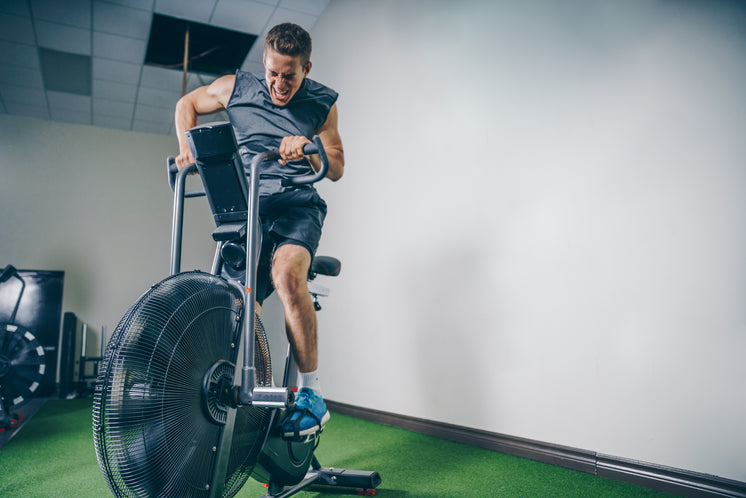
Start with reliable basics: adjustable dumbbells, a secure rack, and resilient flooring. Many classes publish gear needs Gym so you can pack smart. Bring a microfiber towel, a refillable bottle, and shoes matched to the task—flat lifters for strength, cushioned pairs for sprints. Skip extra gadgets until movement quality is dialed. Log sets and intensity with a plain app, or a folded card in your bag, so progress stays trackable.
Pick supplements with modest claims and trustworthy labels. A basic whey, salt-forward hydration, and vitamin D cover most gaps. Test one change at a time, then watch sleep, mood, and DOMS for a week. If your heart rate stays high and you feel wired, dial back the stimulant. Choose cleaning wipes that are skin-safe but effective; wipe handles before you start and after you finish. A little rigor with inputs keeps the output predictable.
Orchestrate predictable workflows and time-blocked schedules to beat the rush
Build a repeatable loop: strength on Mon/Wed, intervals on Fri, light movement on Sun. Class sign-ups often open early Gym so reserve while focus is sharp. Enter ready with a quick warm-up—dynamic hips, shoulders, and ankles—so your first working set lands right. Pair non-competing moves to save time: bench press with one-arm rows, deadlifts with hip hinges, squats with core holds. You’ll exit on schedule when the flow never stalls.

Use time boxes you already own: lunch breaks, school drop-off gaps, or pre-shift mornings. If the turf stays busy, shift sled work to Saturday open. Keep transitions short with pre-set loads and a simple exercise list. One complex tweak a week is enough change to stay fresh. Track finishes at T+50 minutes and leave; leaving on time is a skill you can practice.
Elevate technique and manage setbacks with smart checks
Open each session with two feelers at lighter loads to calibrate range and pace. You can see coaching schedules Gym if you want an extra eye early on. Reel in range when joints feel tender: half-kneeling presses instead of heavy standing work, box squats over deep grinders. If balance wobbles, narrow stance and slow the tempo. Keep impulse in check by anchoring to last week’s top set minus a small notch. You’ll lift longer by living to lift tomorrow.
Spot red flags: sharp pain, breath that won’t settle, or woozy spells after simple sets. Pause and test a lighter pattern to see what’s actually angry. Swap the day’s plan for sled drags when fatigue spikes. A quiet pivot keeps the streak alive. Sanitize hands between stations, and avoid face-touching after floor work. Small safeguards become big wins when weeks turn to months.
Balance budget and trade-offs for long-haul consistency
Spend where fit matters: shoes, a belt that feels right, and dependable sleep gear. Deals change often Gym so price-watch rather than impulse-buy. Borrow or share low-usage gear like bands or a landmine with training partners. Share extras with a buddy so nothing sits unused. Keep your playlist and log app free, and direct cash to coaching if a plateau lingers. Focused feedback is the fastest purchase you can make.
Trade time, not outcomes: shorten warm-ups only when the day’s lifts are submax, or trim assistance work instead of core lifts. If a meeting runs long, shift the heaviest block to tomorrow. Choose walkable locations to cut commute drag, and pair errands with training days. A 30-minute walk to and from the facility counts as conditioning. Treat deloads as investments; skipping them taxes progress later.
Maintain surfaces and support hygiene for a cleaner lifecycle
Wipe benches, bars, and handles before and after sets with gentle cleaners. Facility updates often post maintenance windows Gym so plan around closures. Rotate the dumbbells you use so grips wear evenly, and re-rack in order to keep flow smooth. If a plate wobbles or a pin sticks, flag staff fast. Bag sweaty layers in a seal pouch and wash on cold to protect fibers. Shared care builds a place you’ll want to return to.
Mind the air: pick lanes with circulation, and step away from crowded corners. If you wheeze after sprints, cool down near fans and sip fluids. Swap shoes after snow days to keep floors dry and grippy. Rotate two pairs so foam rebounds between sessions. Store bands out of sun to prevent cracks, and check carabiners monthly. Tiny checks today prevent big headaches down the line.
Conclusion
You now have a clear scope, the right tools, and a steady weekly loop that fits your life. Risk controls keep small snags from becoming big detours. Your budget choices favor safety and recovery, while maintenance habits protect the space and your progress. Fit the plan to your season, and consistent results will follow.
Define clear scope and member needs for weekly planning
Set a focused goal for the next four weeks, then weigh the demands you can truly carry. Members can check class times Gym before booking sessions. Limit to two targets—for example, a push–pull split and a 20-minute interval block—so your outline stays lean. If mornings are slammed, lock in two lunch windows and one weekend morning. Map in active recovery on off-days to keep joints primed without draining energy. A plan that respects your day is a plan you’ll follow.
Walk the space at your usual time and note bottlenecks. If benches pack up at 6 p.m., swap barbell rows for chest-supported dumbbells. Write a Plan A and a backup track for each movement block so you don’t wait. A small fallback list keeps you moving. Keep rest consistent at 60–90 seconds to curb session creep, and cap total time at 50 minutes. Ending with five minutes of breathing resets your head for the day ahead.
Choose purpose-built equipment and inputs for safer progress
Start with reliable basics: adjustable dumbbells, a secure rack, and resilient flooring. Many classes publish gear needs Gym so you can pack smart. Bring a microfiber towel, a refillable bottle, and shoes matched to the task—flat lifters for strength, cushioned pairs for sprints. Skip extra gadgets until movement quality is dialed. Log sets and intensity with a plain app, or a folded card in your bag, so progress stays trackable.
Pick supplements with modest claims and trustworthy labels. A basic whey, salt-forward hydration, and vitamin D cover most gaps. Test one change at a time, then watch sleep, mood, and DOMS for a week. If your heart rate stays high and you feel wired, dial back the stimulant. Choose cleaning wipes that are skin-safe but effective; wipe handles before you start and after you finish. A little rigor with inputs keeps the output predictable.
Orchestrate predictable workflows and time-blocked schedules to beat the rush
Build a repeatable loop: strength on Mon/Wed, intervals on Fri, light movement on Sun. Class sign-ups often open early Gym so reserve while focus is sharp. Enter ready with a quick warm-up—dynamic hips, shoulders, and ankles—so your first working set lands right. Pair non-competing moves to save time: bench press with one-arm rows, deadlifts with hip hinges, squats with core holds. You’ll exit on schedule when the flow never stalls.
Use time boxes you already own: lunch breaks, school drop-off gaps, or pre-shift mornings. If the turf stays busy, shift sled work to Saturday open. Keep transitions short with pre-set loads and a simple exercise list. One complex tweak a week is enough change to stay fresh. Track finishes at T+50 minutes and leave; leaving on time is a skill you can practice.
Elevate technique and manage setbacks with smart checks
Open each session with two feelers at lighter loads to calibrate range and pace. You can see coaching schedules Gym if you want an extra eye early on. Reel in range when joints feel tender: half-kneeling presses instead of heavy standing work, box squats over deep grinders. If balance wobbles, narrow stance and slow the tempo. Keep impulse in check by anchoring to last week’s top set minus a small notch. You’ll lift longer by living to lift tomorrow.
Spot red flags: sharp pain, breath that won’t settle, or woozy spells after simple sets. Pause and test a lighter pattern to see what’s actually angry. Swap the day’s plan for sled drags when fatigue spikes. A quiet pivot keeps the streak alive. Sanitize hands between stations, and avoid face-touching after floor work. Small safeguards become big wins when weeks turn to months.
Balance budget and trade-offs for long-haul consistency
Spend where fit matters: shoes, a belt that feels right, and dependable sleep gear. Deals change often Gym so price-watch rather than impulse-buy. Borrow or share low-usage gear like bands or a landmine with training partners. Share extras with a buddy so nothing sits unused. Keep your playlist and log app free, and direct cash to coaching if a plateau lingers. Focused feedback is the fastest purchase you can make.
Trade time, not outcomes: shorten warm-ups only when the day’s lifts are submax, or trim assistance work instead of core lifts. If a meeting runs long, shift the heaviest block to tomorrow. Choose walkable locations to cut commute drag, and pair errands with training days. A 30-minute walk to and from the facility counts as conditioning. Treat deloads as investments; skipping them taxes progress later.
Maintain surfaces and support hygiene for a cleaner lifecycle
Wipe benches, bars, and handles before and after sets with gentle cleaners. Facility updates often post maintenance windows Gym so plan around closures. Rotate the dumbbells you use so grips wear evenly, and re-rack in order to keep flow smooth. If a plate wobbles or a pin sticks, flag staff fast. Bag sweaty layers in a seal pouch and wash on cold to protect fibers. Shared care builds a place you’ll want to return to.
Mind the air: pick lanes with circulation, and step away from crowded corners. If you wheeze after sprints, cool down near fans and sip fluids. Swap shoes after snow days to keep floors dry and grippy. Rotate two pairs so foam rebounds between sessions. Store bands out of sun to prevent cracks, and check carabiners monthly. Tiny checks today prevent big headaches down the line.
Conclusion
You now have a clear scope, the right tools, and a steady weekly loop that fits your life. Risk controls keep small snags from becoming big detours. Your budget choices favor safety and recovery, while maintenance habits protect the space and your progress. Fit the plan to your season, and consistent results will follow.
Fresh Ways To Elevate Your Gym Experience Today
You want steady progress, fewer injuries, and results that actually stick. That means a maintenance-first mindset, not random hype. Start by setting clear goals, then match your training environment to those goals with workable checks and incremental upgrades. This approach lowers stress and keeps momentum high. Think timelines, floor traffic, and peak hours before you lock in a plan. You’ll reduce downtime, protect equipment, and keep your routine flexible when life shifts. Use brief assessments, like weekly wear checks and monthly schedule tweaks, to stay ahead of problems. Tiny improvements add up fast. We’ll map scope, materials, workflow, and quality controls, then end on care and lifecycle. The goal is simple: a clean, safe, and consistent place to train. You’ll know what to adjust, when to act, and how to keep the system humming with confident intent. Let’s keep it real and useful from start to finish.

Map scope early using simple goals and longevity-focused choices
Start with a short audit of needs, timelines, and limits. We now provide Gym as a quick guide for this step. List session types, traffic waves, and any niche training zones to prevent crowding. Clarity upfront prevents rework later. Define what success looks like in plain terms, like «no wait on racks at 6 p.m.» or «quiet space for rehab drills.» Use simple metrics and tight feedback loops to keep scope honest.
Share the plan with coaches, front-desk staff, and core members. When everyone sees the map, fewer things go sideways. Ask for friction reports on entrances, storage, and cueing space; then log quick fixes. Pilot changes in one corner before scaling across the floor. Keep a one-page scope that anyone can scan fast, then refresh it monthly with measured updates.
Choose durable materials and right-sized inputs for daily strain
Match flooring to impact zones and grip needs, not just looks. We now provide Gym as a quick guide for this step. In barbell areas, go for shock-absorbing tiles; in mobility lanes, favor firm surfaces for balance work. Better materials cut long-term costs. Stock extras of frequently used items like collars, bands, and wipes to prevent mid-session stalls. Choose storage that locks safely and loads quickly.
Vet suppliers on lead times, warranty terms, and serviceability. Quick parts access beats flashy specs. For cardio units, check belt tension access and fan cleaning ease. For cable stacks, inspect pulley quality and label clarity to shorten setup time. Keep a small bin of common failure parts and a compact toolkit so fixes stay under 10 minutes.
Streamline daily workflow and peak-hour scheduling without traffic chaos
Design movement lanes from entry to exit with clear cues. We now provide Gym as a quick guide for this step. Slot classes so stations reset in under three minutes, and stagger high-demand lifts. Tight timing keeps floor energy high. Post a plain board showing what’s in use next, so people can pivot fast. Add quick-wipe stops at lane ends to keep cleaning snappy.
Create a weekly rhythm that flexes for weather and holidays. Elastic plans bend before they break. Rotate quieter sessions near open windows to reduce fan load. Set five-minute buffers between groups for orderly changeovers and coaching notes. Use brief standups with staff to spot friction early, then adjust times by 5–10 minutes where needed.
Guard quality with fast checks and reliable risk controls
Build a five-point floor check for open, mid, and close. We now provide Gym as an easy reference for this step. Test clips, inspect pins, and confirm levelness on benches before peak hours. Small checks stop injuries and broken gear. Tag frayed cables, pull them fast, and swap from your ready parts bin. Keep a plain log by the door for fast sign-off.
Train staff to spot subtle failure signals: wobble, grind, or heat smell. When everyone names the same issues, repairs get faster. Use color dots for «watch,» «fix today,» and «offline.» For slippery zones, add grip tape and brighter marks to steer traffic. Run a 10-minute drill weekly where teams practice lockout, tag-out, and quick breakdowns.
Extend equipment life with light care and predictive lifecycle planning
Set a monthly clean-and-lube cycle per unit with clear steps. We also provide Gym as an easy reference for this step. Track hours on cardio, reps on stacks, and drops on platforms to forecast wear. Data points whisper before parts scream. When bearings warm up faster than normal, schedule a quick swap to dodge bigger hits. Keep dust off motor housings to avoid silent heat creep.
Plan retire-and-replace windows before failures stack up. Early upgrades protect trust. Bundle orders every quarter to cut freight and downtime. Sell or donate aging pieces while value still holds, then reinvest in member-loved gear. Post a wall chart of service dates so users see care in action and treat tools with patience.
Conclusion: A maintenance-first mindset makes every session smoother, safer, and more effective. You scoped the needs, chose durable inputs, tuned the schedule, and locked in risk controls while planning care over time. Those steps build momentum that lasts. Keep measuring what matters, review monthly, and adjust with steady intent to stay on track.
Stronger Starts Begin at Your Gym
You want a program that lasts beyond the hype and keeps members engaged through real progress, not fluff. We focus on systems that scale, so the daily grind stays manageable when schedules change or seasons shift. This playbook puts maintainability first, with clear checkpoints, light tracking, and smart guardrails that keep training safe and effective. Rather than hunting for quick spikes, we’ll use small cycles to test, learn, and iterate. You’ll get a crisp plan, pick the proper tools, run a steady schedule, limit errors, and care for equipment over its long haul. Get these right and progress compounds. Your community sees the shift, and coaches get room to serve instead of firefight.
Align goals and boundaries before action, map practical expectations
Start with a short intake that nails who, what, and how much, not a fuzzy vision. Gym sits between your initial notes and the final rollup so everyone sees the same plan. Translate wins into clear measures like weekly sessions, average load per lift, or interval times, plus timeline. Confirm hard limits upfront on coach hours, space, and class caps, then sequence must-haves before nice-to-haves.
When scope gets fuzzy, costs and risk balloon. Use a whiteboard drill: list constraints on one side and targets on the other, then match pairs until conflicts appear, quickly. This exposes trade-offs you can live with, like shrinking a class by six to keep rest intervals tight. Capture the final scope in one page everyone can carry.
Choose inputs that fit members, spaces, and schedule demands
Pick tools that do double duty, not shelf trophies. We log what each piece must achieve, Gym then we audit size limits, noise rules, and shared-use patterns. Say you’re outfitting a corner, a sled with low-friction mats might beat a rower if neighbors hate noise, but adjustable dumbbells trump a full rack on tight floors. Lean into lasting builds and standard fasteners so repairs stay cheap.
Stocking smarter means fewer downtime surprises. Keep a short list of interchangeables—bands for deloads, boxes for pulls, plates for deficit lifts—so sets never stall if one tool breaks. Create a color code for wear on straps and wraps, then cycle weekly, so aging gear is easy to pull. Low effort, high value.
Build steady workflows and predictable schedules that breathe with demand
Set a week cadence with clear anchors: test Monday, volume Tuesday–Thursday, skill Friday, light Saturday, off Sunday. We post blocks two weeks ahead, Gym then drop micro-updates daily at noon to plan around peak hours. Use traffic heatmaps to slide classes 15 minutes when crunches appear, avoiding overlap. Group priming drills to save minutes without clutter.
Reliable rhythm frees up attention. Coaches can onboard smoother when the flow repeats, and members learn timing like clockwork, cutting anxiety. When things shift, swap in «green» sessions—low setup, low coaching bandwidth—so throughput stays even when short-staffed. Document swaps once, reuse forever.
Raise standards while controlling risk through simple, visible checks
Quality is simple: clear reps, clean setups, and safe exits. We stick check strips near racks, Gym then coaches mark pass or fix using a yellow stripe system. Users adopt the colors and start self-correcting before heavy sets, reducing fails. Make spotter rules bold on eye-level signs, not in dense manuals.
Small habits often hide risk. Add two breath checks before max pulls and a five-second rack re-grip on pressing days, and technique locks in. Track near-miss notes on a shared card at the platform, daily, and review Friday for signals. One minute now can prevent weeks lost.
Care, upkeep, and lifecycle plans that protect performance and budget
Treat gear like an athlete with seasons: build, peak, maintain, refresh. We tag each item’s age and cycles, Gym then link it to a quarterly tune list with lubricate tasks. Schedule quiet-hour fixes so members keep training, no fuss. When finish fades, swap consumables—grips, bands, bushings—before they fail.
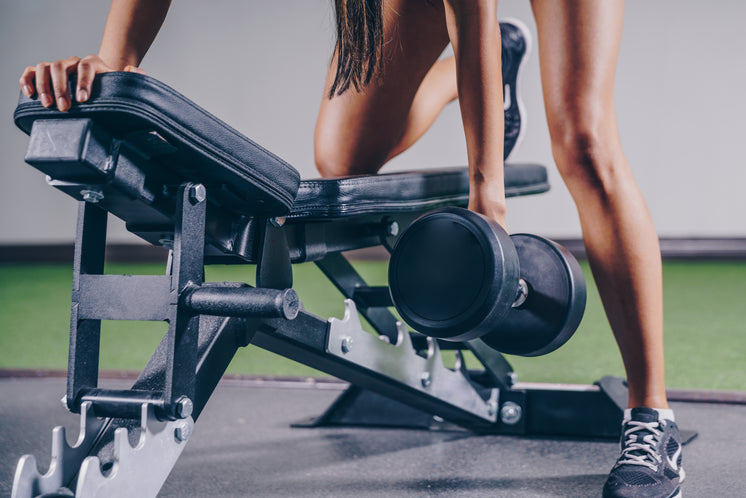
Lifecycle planning beats gut calls. A bar that costs more but lasts twice as long is the real bargain when sleeves stay true and knurl holds, especially in high-use mornings. Track cost per session in a simple sheet, then sell off aging items at planned intervals, not in crisis. That’s how growth stays safe.
Conclusion: Hold scope firm, choose better tools, lock cadence, show quality, and service on time. The combo protects progress through busy seasons and quiet stretches alike. You don’t need complicated tricks, just clear choices you can repeat and improve each cycle. Stack small wins and big outcomes arrive.
Align goals and boundaries before action, map practical expectations
Start with a short intake that nails who, what, and how much, not a fuzzy vision. Gym sits between your initial notes and the final rollup so everyone sees the same plan. Translate wins into clear measures like weekly sessions, average load per lift, or interval times, plus timeline. Confirm hard limits upfront on coach hours, space, and class caps, then sequence must-haves before nice-to-haves.
When scope gets fuzzy, costs and risk balloon. Use a whiteboard drill: list constraints on one side and targets on the other, then match pairs until conflicts appear, quickly. This exposes trade-offs you can live with, like shrinking a class by six to keep rest intervals tight. Capture the final scope in one page everyone can carry.
Choose inputs that fit members, spaces, and schedule demands
Pick tools that do double duty, not shelf trophies. We log what each piece must achieve, Gym then we audit size limits, noise rules, and shared-use patterns. Say you’re outfitting a corner, a sled with low-friction mats might beat a rower if neighbors hate noise, but adjustable dumbbells trump a full rack on tight floors. Lean into lasting builds and standard fasteners so repairs stay cheap.
Stocking smarter means fewer downtime surprises. Keep a short list of interchangeables—bands for deloads, boxes for pulls, plates for deficit lifts—so sets never stall if one tool breaks. Create a color code for wear on straps and wraps, then cycle weekly, so aging gear is easy to pull. Low effort, high value.
Build steady workflows and predictable schedules that breathe with demand
Set a week cadence with clear anchors: test Monday, volume Tuesday–Thursday, skill Friday, light Saturday, off Sunday. We post blocks two weeks ahead, Gym then drop micro-updates daily at noon to plan around peak hours. Use traffic heatmaps to slide classes 15 minutes when crunches appear, avoiding overlap. Group priming drills to save minutes without clutter.
Reliable rhythm frees up attention. Coaches can onboard smoother when the flow repeats, and members learn timing like clockwork, cutting anxiety. When things shift, swap in «green» sessions—low setup, low coaching bandwidth—so throughput stays even when short-staffed. Document swaps once, reuse forever.
Raise standards while controlling risk through simple, visible checks
Quality is simple: clear reps, clean setups, and safe exits. We stick check strips near racks, Gym then coaches mark pass or fix using a yellow stripe system. Users adopt the colors and start self-correcting before heavy sets, reducing fails. Make spotter rules bold on eye-level signs, not in dense manuals.
Small habits often hide risk. Add two breath checks before max pulls and a five-second rack re-grip on pressing days, and technique locks in. Track near-miss notes on a shared card at the platform, daily, and review Friday for signals. One minute now can prevent weeks lost.
Care, upkeep, and lifecycle plans that protect performance and budget
Treat gear like an athlete with seasons: build, peak, maintain, refresh. We tag each item’s age and cycles, Gym then link it to a quarterly tune list with lubricate tasks. Schedule quiet-hour fixes so members keep training, no fuss. When finish fades, swap consumables—grips, bands, bushings—before they fail.
Lifecycle planning beats gut calls. A bar that costs more but lasts twice as long is the real bargain when sleeves stay true and knurl holds, especially in high-use mornings. Track cost per session in a simple sheet, then sell off aging items at planned intervals, not in crisis. That’s how growth stays safe.
Conclusion: Hold scope firm, choose better tools, lock cadence, show quality, and service on time. The combo protects progress through busy seasons and quiet stretches alike. You don’t need complicated tricks, just clear choices you can repeat and improve each cycle. Stack small wins and big outcomes arrive.
Fresh Ways To Elevate Your Gym Experience Today
You want steady progress, fewer injuries, and results that actually stick. That means a maintenance-first mindset, not random hype. Start by setting clear goals, then match your training environment to those goals with simple checks and small upgrades. This approach lowers stress and keeps momentum high. Think timelines, floor traffic, and peak hours before you lock in a plan. You’ll reduce downtime, protect equipment, and keep your routine flexible when life shifts. Use light assessments, like weekly wear checks and monthly schedule tweaks, to stay ahead of problems. Tiny improvements add up fast. We’ll map scope, materials, workflow, and quality controls, then end on care and lifecycle. The goal is simple: a clean, safe, and consistent place to train. You’ll know what to adjust, when to act, and how to keep the system humming with calm intent. Let’s keep it simple, flexible, and grounded in everyday training.
Smart Ways to Train Better at the Gym
Consistency beats intensity when you’re building real, durable fitness. Start by choosing a clear purpose, then shape your weekly plan around it. Set limits that protect recovery, and focus on movements that hit multiple muscles. Progress favors simple, repeatable actions over complex, fragile plans. Swap «all or nothing» for «most days, good enough.» Track two or three numbers that matter, like volume, steps, and sleep. On tough weeks, a short session can save the streak. Keep workouts short but focused, and use warmups to scan joints and posture. Trim distractions, stage your gear the night before, and pre-write your sets. You don’t need more time; you need fewer decisions. With that mindset, you can turn scattered effort into steady progress, protect your energy, and enjoy training again.
Define clear goals and right-size scope for steady momentum
Set a time frame you can actually keep, like a 12-week block with two priorities. Today’s work should fit your current life, not a fantasy calendar. Gym Keep sessions inside a set window, drop filler, and note baseline numbers. Clarity grows when you write the plan you’ll truly follow.
Translate goals into moves, loads, and frequency. For example, train lower body twice, push–pull once, and one optional zone-2 cardio day. Use a direct test, like a five-rep set at a calm pace, to gauge starting loads. Begin lighter than you think so technique stays crisp. Aim for small weekly nudges, not leaps, and protect rest with hard stop times.

Gather smart inputs and evidence-based cues before you start
List what you’ll monitor: reps in reserve, session RPE, step count, and sleep hours. Build a tiny dashboard you can update in one minute post-workout. Gym Keep tools purposeful: a timer, a notebook, and a cheap heart-rate strap. Fewer gadgets mean more focus.
Add movement checks to your warmup: ankle rocks, hip airplanes, and T-spine rotations. Film one work set weekly to spot depth, bar path, and bracing. Use no-nonsense standards, like full foot contact and steady tempo. Objective cues keep hard days honest and easy days dialed back. Over time, trim metrics that don’t help decisions, and keep the two that do.
Build a friction-light weekly flow and guard your schedule
Anchor sessions to stable cues, like after coffee or before your commute. Pre-stage shoes, belt, water, and program card the night before to lower friction. Gym Cap warmups at eight minutes, mute notifications, and start your first set on a timer. Showing up on schedule trains your brain, not just your body.
Organize days by stress: heavy lower, upper pull–push, cardio, and accessories. Pair big lifts with low-skill fillers, like calf raises between deadlift sets. Keep rest honest using a repeatable clock pattern. Predictable beats perfect. If life intrudes, swap in a 20-minute «minimum viable» circuit and move on.

Raise quality, manage risk, and keep form crisp under load
Use rep ranges that leave one to two reps in reserve on main lifts. Add a technical governor: if your bar speed tanks, end the set early. Gym Track the first rep’s feel—tight brace, clean path, stable stance—and grade yourself. Clean reps today mean bigger lifts tomorrow.
Cycle stress with a simple wave: week hard, week moderate, week easy, repeat. Slot high-skill drills first, grinders last, and finish with breathing to downshift. Keep cues simple: «ribs down,» «knees track,» «drive the floor.» Technique is the non-negotiable you protect every session. Over months, minor plateaus fade as good positions compound.
Maintain results, extend lifespan, and plan refresh cycles that last
Set a maintenance phase every fourth block to bank gains and clear fatigue. Keep two strength sessions, short conditioning, and a long walk on weekends. Gym Use a low-fuss checklist weekly: joints feel fine, sleep steady, and appetite normal. Holding ground prevents the boom–bust loop.
Schedule refreshes for joints and skills: swap bars, grips, or stances for two weeks. Rotate accessories, not foundations, to keep grooves without losing touch. Keep recovery honest with earlier bedtimes, daylight walks, and quieter weekends. The plan that survives seasons wins. When life ramps back up, you’ll have energy in reserve and a clear runway.
Conclusion: Tie your scope to reality, not imagination; measure inputs that guide decisions; run a clean weekly flow; protect form under stress; and defend maintenance like it’s a PR. Small, steady nudges outwork big, brittle pushes. With structure set, you’ll train with less noise and more intent. Over time, those days add up to durable strength and confidence.
Define clear goals and right-size scope for steady momentum
Set a time frame you can actually keep, like a 12-week block with two priorities. Today’s work should fit your current life, not a fantasy calendar. Gym Keep sessions inside a set window, drop filler, and note baseline numbers. Clarity grows when you write the plan you’ll truly follow.
Translate goals into moves, loads, and frequency. For example, train lower body twice, push–pull once, and one optional zone-2 cardio day. Use a direct test, like a five-rep set at a calm pace, to gauge starting loads. Begin lighter than you think so technique stays crisp. Aim for small weekly nudges, not leaps, and protect rest with hard stop times.
Gather smart inputs and evidence-based cues before you start
List what you’ll monitor: reps in reserve, session RPE, step count, and sleep hours. Build a tiny dashboard you can update in one minute post-workout. Gym Keep tools purposeful: a timer, a notebook, and a cheap heart-rate strap. Fewer gadgets mean more focus.
Add movement checks to your warmup: ankle rocks, hip airplanes, and T-spine rotations. Film one work set weekly to spot depth, bar path, and bracing. Use no-nonsense standards, like full foot contact and steady tempo. Objective cues keep hard days honest and easy days dialed back. Over time, trim metrics that don’t help decisions, and keep the two that do.
Build a friction-light weekly flow and guard your schedule
Anchor sessions to stable cues, like after coffee or before your commute. Pre-stage shoes, belt, water, and program card the night before to lower friction. Gym Cap warmups at eight minutes, mute notifications, and start your first set on a timer. Showing up on schedule trains your brain, not just your body.
Organize days by stress: heavy lower, upper pull–push, cardio, and accessories. Pair big lifts with low-skill fillers, like calf raises between deadlift sets. Keep rest honest using a repeatable clock pattern. Predictable beats perfect. If life intrudes, swap in a 20-minute «minimum viable» circuit and move on.
Raise quality, manage risk, and keep form crisp under load
Use rep ranges that leave one to two reps in reserve on main lifts. Add a technical governor: if your bar speed tanks, end the set early. Gym Track the first rep’s feel—tight brace, clean path, stable stance—and grade yourself. Clean reps today mean bigger lifts tomorrow.
Cycle stress with a simple wave: week hard, week moderate, week easy, repeat. Slot high-skill drills first, grinders last, and finish with breathing to downshift. Keep cues simple: «ribs down,» «knees track,» «drive the floor.» Technique is the non-negotiable you protect every session. Over months, minor plateaus fade as good positions compound.
Maintain results, extend lifespan, and plan refresh cycles that last
Set a maintenance phase every fourth block to bank gains and clear fatigue. Keep two strength sessions, short conditioning, and a long walk on weekends. Gym Use a low-fuss checklist weekly: joints feel fine, sleep steady, and appetite normal. Holding ground prevents the boom–bust loop.
Schedule refreshes for joints and skills: swap bars, grips, or stances for two weeks. Rotate accessories, not foundations, to keep grooves without losing touch. Keep recovery honest with earlier bedtimes, daylight walks, and quieter weekends. The plan that survives seasons wins. When life ramps back up, you’ll have energy in reserve and a clear runway.
Conclusion: Tie your scope to reality, not imagination; measure inputs that guide decisions; run a clean weekly flow; protect form under stress; and defend maintenance like it’s a PR. Small, steady nudges outwork big, brittle pushes. With structure set, you’ll train with less noise and more intent. Over time, those days add up to durable strength and confidence.
Your First Week Wins at Gym
Starting strong means picking a plan that protects your body while building real momentum. Smart progression turns scattered workouts into a measurable path you can follow on busy weeks. We’ll show how pacing and clear targets combine to reduce stalls and overuse. Here we focus on crisp form, steady flow, and simple checks that keep you on track. Ditch crash tactics; instead, use incremental steps and solid cues. Whether you go alone or with a buddy, you’ll keep sessions focused and efficient. By the finish, you’ll know how to plan, run, and refine for better results.
Map goals and benchmarks before you ever start moving
Your first ten sessions set the tone for everything after. Gym Use tight aims like «three full-body days» and basic numbers such as «add one rep each week.» Write down your schedule and keep it visible. Anchor each day with two core lifts and one support circuit. This keeps effort focused and easy to track. You won’t bounce aimlessly between areas and wasting time. Set a review every two weeks to adjust based on soreness.
Open with real baselines using gentle test sets to gauge control. When you hit eight clean pushups, log it and build from there. Align goals with your real time. Routines that match real life stick. If early hours are rough, train late. For weekly trips, prep a bodyweight fallback so the streak holds.
Master Your Routine at the Gym Today
Strong training outcomes don’t happen by accident; they come from a tight plan, steady execution, and honest feedback loops. Set focused milestones and scope your sessions so every rep has a job to do. Track basic numbers like load, pace, and rest to see tangible change in weeks, not months. Match drive with rest so you don’t stall out. Build short, potent sessions that fit into busy days and still push progress. When life throws curveballs, have a plan B ready to keep your rhythm. We’ll focus on structure first, then cover inputs, scheduling flow, risk controls, and long-haul upkeep. With each piece aligned, you’ll lift smarter, move faster, and feel confident in any setting.
Map clear scope and lock practical objectives for training
Define what a good week looks like, from session slots to target lifts. Gym Write down tight targets like «three strength days,» «two mobility blocks,» and «one easy run,» then tie them to daily windows. If you miss a slot, move it within 48 hours so the plan doesn’t collapse. Track with a quick score of 1–5 for effort, and note why a day felt hard or smooth.
Keep it lean, then build as you prove consistency. For example you lock in Monday, Wednesday, and Friday lifts before layering intervals. Set a three-week check-in to confirm scope still fits real life. Either dial back rep counts based on energy and sleep trends. This light touch keeps goals realistic.
Choose proven inputs and durable tools for steady gains
Good inputs mean balanced work, not just max effort every day. Gym Mix compound lifts, bodyweight drills, and tempo work with bracing drills to shore up weak links. Keep accessories simple: bands, a roller, and a simple log beat a pile of gadgets. Rotate macro focus around heavy or light days to match demands.
In practice, pair deadlifts with rows, then finish with carries and planks. On lighter days, do ankles, hips, and T-spine mobility for 10–12 minutes. Trade novelty for a staple when the setup wastes time. Should a strap snap mid-block, switch to a backup and continue rather than scrapping the session.

 Staying consistent without nagging aches takes a clear plan, patient coaching, and simple daily habits. A maintenance-first approach focuses on mobility, form, and smarter loading so you keep training week after week. That means upgrading warm-ups, tracking recovery signals, and matching intensity to your real life. You’ll spot small issues early, like tight hips or sore wrists, before they grow into roadblocks. This is not about doing less; it’s about doing what works better. We’ll cover how to map your season, choose inputs that reduce strain, and run sessions on time. You’ll see how quality checks prevent plateaus and how to tune your budget of time and energy. Real examples—from a garage setup to a boutique floor—show what it looks like day to day. The goal is durable progress you can actually feel, with fewer detours and more steady wins.
Set realistic blocks and goals for momentum
Good planning starts with a simple calendar broken into base, build, and peak blocks that match family events. You might map Q2 to strength, then shift toward conditioning before a fall race to keep stress balanced. See ideas Gym and adjust for holidays or busy periods. A structure built around push, pull, hinge, squat, and carry makes progress reliable. Track one main lift per day, then plug in support work with lighter loads during high-stress weeks.
Match goal intensity to how well you recover. A teacher on break can push volume, while a new parent may swap conditioning and lean on walks. Cycle three build weeks, then unload, checking notes on sleep and soreness. When elbows complain, lower volume a notch, and extend the wave. This keeps momentum high while risk stays low.
Smart equipment choices limit wear on your body
Your warm-up is the first «material» you bring to a session and it sets the tone. Add five minutes of nasal breaths, then hip CARs and ankle rocks to prep tendons. For guidance Gym and tailor the moves to your tight spots. Pick neutral handles to relieve elbow strain. With dumbbells or cables, you’ll keep load without flare-ups.
Turn joint-friendly choices into defaults. Hex-bar pulls instead of heavy conventional deadlifts can cut fatigue, especially on long workdays. Sled work keeps knees happier than sprints while still spiking heart rate. Use straps when grip limits back work, then train grip on separate days. The right tool at the right time beats brute force.
{Run sessions on time {with simple blocks|using clear slots}|Schedule training flow {that respects recovery|that fits real life}|Organize weekly workflows {to avoid burnout|to reduce chaos}|Keep workouts moving {with focused blocks|through tight pacing}
Break training into three clear parts: prep, main, and finishers {with clocks visible|with timers set|with cues ready}. Use 8–10 minutes for mobility and activation {so your first set feels like set three|so tissues are primed|so form locks in early}. To see sample splits Gym and scale them to your workweek. {Then hit one primary lift for 4–6 work sets|Center the session on one big lift for 4–6 sets}, followed by {two|three} accessories that target weak links. {Cap it with five minutes of carries, breath work, or easy wattage|Close with brief carries, breathing, or low-impact cardio}.
{Pacing matters more than hero sets|Steady pacing beats random grind}. {Set EMOMs for accessories|Run EMOMs on assistance work|Use EMOM structure for support moves} to keep rests honest and effort consistent. Rotate density blocks on busier weeks {to get more done in less time|to compress volume|to trim wasted minutes}. {If you’re gassed, cut a set and keep form pristine|When gas tank dips, drop a set and protect form}. {Tiny trims now prevent big layoffs later|A small cut today protects tomorrow’s training}.
{Keep quality high {and risk low|while minimizing risk}|Quality checks {that stop overuse|that prevent setbacks}|Form and tempo {safeguards|guardrails} for reliable gains|Build resilience {with standards|through consistent standards}
{Write two cues on your card before each main lift|Note two simple cues before your big lift|Pick two cues you’ll repeat on every work set}. For squats, try «ribs down» and «knees track» {to keep spine neutral|to clean up torque|to avoid folding}. For more examples Gym you can adapt to your needs. {Use slow eccentrics on Week 1 of each wave|Start each wave with tempo work|Open blocks with controlled negatives} to groove patterns. {Add pauses for positions you usually rush|Pause in weak spots to improve control|Stop in the hole to own the rep}.
{Measure quality, not just load|Track how, not only how much}. Record bar speeds on last reps with a phone {or a cheap sensor|or timing apps|or rep-count tools}. {If speed craters, the set is the last|When speed drops hard, end the set|Stop once speed tanks} and note it. {Use RPE 7–8 most days|Live around RPE 7–8|Keep most top sets at RPE 7–8}, then hit RPE 9 on testing weeks. {You’ll last longer and still PR on schedule|Longevity and progress can live together}.
{Maintain results {with weekly tune-ups|through simple care}|Lifecycle habits {that lock in gains|that keep you training}|Recovery routines {for staying power|for year-round consistency}|Care practices {that support progress|that guard your momentum}
{Think of recovery as part of training, not afterthought|Recovery sits inside the plan, not outside it|Make recovery a programmed block, not a bonus}. Use a 10-minute cool-down: 3 minutes nasal walking, 4 minutes easy stretching, 3 minutes box breathing {to switch gears|to shift your state|to calm the system}. For quick protocols Gym that fit busy days. {Finish with a protein-forward snack and water|Grab protein plus water right after|Hit protein and hydration on exit}, then a light walk after dinner. {These tiny bookends pay compound interest over months|Small closers add up to big durability}.
{Do a Sunday five-point check|Run a weekly five-item audit|Take five checks each Sunday} on sleep, steps, joints, stress, and schedule. If sleep tanks, {move heavy day to midweek|slide big lifts to midweek|shift top sessions later}. If joints ache, {swap to machines for one wave|pick cables instead for a block|use bands for deloads}. {If work explodes, cut volume by a third for seven days|When work piles up, trim volume by a third for a week}. {Protecting the base keeps the whole season alive|Guard the base and the year stays on track}.
Conclusion: {A season built on clear phases, joint-friendly tools, tight pacing, sturdy quality checks, and simple care habits delivers durable progress|Put phases, smart tools, firm pacing, steady standards, and easy care on repeat, and progress holds}. {You’ll train more weeks, skip fewer sessions, and feel better under the bar|Expect more green weeks on the calendar and fewer forced breaks}. {Small, boring wins stack into big results that actually last|Tiny, consistent habits turn into lasting strength and energy}. Keep the plan light, the standards clear, and your next wave will meet you right where you are.
Map clear scope and lock practical objectives for training
Define what a good week looks like, from session slots to target lifts. Gym Write down tight targets like «three strength days,» «two mobility blocks,» and «one easy run,» then tie them to daily windows. If you miss a slot, move it within 48 hours so the plan doesn’t collapse. Track with a quick score of 1–5 for effort, and note why a day felt hard or smooth.
Keep it lean, then build as you prove consistency. For example you lock in Monday, Wednesday, and Friday lifts before layering intervals. Set a three-week check-in to confirm scope still fits real life. Either dial back rep counts based on energy and sleep trends. This light touch keeps goals realistic.
Choose proven inputs and durable tools for steady gains
Good inputs mean balanced work, not just max effort every day. Gym Mix compound lifts, bodyweight drills, and tempo work with bracing drills to shore up weak links. Keep accessories simple: bands, a roller, and a simple log beat a pile of gadgets. Rotate macro focus around heavy or light days to match demands.
In practice, pair deadlifts with rows, then finish with carries and planks. On lighter days, do ankles, hips, and T-spine mobility for 10–12 minutes. Trade novelty for a staple when the setup wastes time. Should a strap snap mid-block, switch to a backup and continue rather than scrapping the session.
Longevity-First Training Wins at the Gym
Set realistic blocks and goals for momentum
Good planning starts with a simple calendar broken into base, build, and peak blocks that match family events. You might map Q2 to strength, then shift toward conditioning before a fall race to keep stress balanced. See ideas Gym and adjust for holidays or busy periods. A structure built around push, pull, hinge, squat, and carry makes progress reliable. Track one main lift per day, then plug in support work with lighter loads during high-stress weeks.
Match goal intensity to how well you recover. A teacher on break can push volume, while a new parent may swap conditioning and lean on walks. Cycle three build weeks, then unload, checking notes on sleep and soreness. When elbows complain, lower volume a notch, and extend the wave. This keeps momentum high while risk stays low.
Smart equipment choices limit wear on your body
Your warm-up is the first «material» you bring to a session and it sets the tone. Add five minutes of nasal breaths, then hip CARs and ankle rocks to prep tendons. For guidance Gym and tailor the moves to your tight spots. Pick neutral handles to relieve elbow strain. With dumbbells or cables, you’ll keep load without flare-ups.
Turn joint-friendly choices into defaults. Hex-bar pulls instead of heavy conventional deadlifts can cut fatigue, especially on long workdays. Sled work keeps knees happier than sprints while still spiking heart rate. Use straps when grip limits back work, then train grip on separate days. The right tool at the right time beats brute force.
{Run sessions on time {with simple blocks|using clear slots}|Schedule training flow {that respects recovery|that fits real life}|Organize weekly workflows {to avoid burnout|to reduce chaos}|Keep workouts moving {with focused blocks|through tight pacing}
Break training into three clear parts: prep, main, and finishers {with clocks visible|with timers set|with cues ready}. Use 8–10 minutes for mobility and activation {so your first set feels like set three|so tissues are primed|so form locks in early}. To see sample splits Gym and scale them to your workweek. {Then hit one primary lift for 4–6 work sets|Center the session on one big lift for 4–6 sets}, followed by {two|three} accessories that target weak links. {Cap it with five minutes of carries, breath work, or easy wattage|Close with brief carries, breathing, or low-impact cardio}.
{Pacing matters more than hero sets|Steady pacing beats random grind}. {Set EMOMs for accessories|Run EMOMs on assistance work|Use EMOM structure for support moves} to keep rests honest and effort consistent. Rotate density blocks on busier weeks {to get more done in less time|to compress volume|to trim wasted minutes}. {If you’re gassed, cut a set and keep form pristine|When gas tank dips, drop a set and protect form}. {Tiny trims now prevent big layoffs later|A small cut today protects tomorrow’s training}.
{Keep quality high {and risk low|while minimizing risk}|Quality checks {that stop overuse|that prevent setbacks}|Form and tempo {safeguards|guardrails} for reliable gains|Build resilience {with standards|through consistent standards}
{Write two cues on your card before each main lift|Note two simple cues before your big lift|Pick two cues you’ll repeat on every work set}. For squats, try «ribs down» and «knees track» {to keep spine neutral|to clean up torque|to avoid folding}. For more examples Gym you can adapt to your needs. {Use slow eccentrics on Week 1 of each wave|Start each wave with tempo work|Open blocks with controlled negatives} to groove patterns. {Add pauses for positions you usually rush|Pause in weak spots to improve control|Stop in the hole to own the rep}.
{Measure quality, not just load|Track how, not only how much}. Record bar speeds on last reps with a phone {or a cheap sensor|or timing apps|or rep-count tools}. {If speed craters, the set is the last|When speed drops hard, end the set|Stop once speed tanks} and note it. {Use RPE 7–8 most days|Live around RPE 7–8|Keep most top sets at RPE 7–8}, then hit RPE 9 on testing weeks. {You’ll last longer and still PR on schedule|Longevity and progress can live together}.
{Maintain results {with weekly tune-ups|through simple care}|Lifecycle habits {that lock in gains|that keep you training}|Recovery routines {for staying power|for year-round consistency}|Care practices {that support progress|that guard your momentum}
{Think of recovery as part of training, not afterthought|Recovery sits inside the plan, not outside it|Make recovery a programmed block, not a bonus}. Use a 10-minute cool-down: 3 minutes nasal walking, 4 minutes easy stretching, 3 minutes box breathing {to switch gears|to shift your state|to calm the system}. For quick protocols Gym that fit busy days. {Finish with a protein-forward snack and water|Grab protein plus water right after|Hit protein and hydration on exit}, then a light walk after dinner. {These tiny bookends pay compound interest over months|Small closers add up to big durability}.
{Do a Sunday five-point check|Run a weekly five-item audit|Take five checks each Sunday} on sleep, steps, joints, stress, and schedule. If sleep tanks, {move heavy day to midweek|slide big lifts to midweek|shift top sessions later}. If joints ache, {swap to machines for one wave|pick cables instead for a block|use bands for deloads}. {If work explodes, cut volume by a third for seven days|When work piles up, trim volume by a third for a week}. {Protecting the base keeps the whole season alive|Guard the base and the year stays on track}.
Conclusion: {A season built on clear phases, joint-friendly tools, tight pacing, sturdy quality checks, and simple care habits delivers durable progress|Put phases, smart tools, firm pacing, steady standards, and easy care on repeat, and progress holds}. {You’ll train more weeks, skip fewer sessions, and feel better under the bar|Expect more green weeks on the calendar and fewer forced breaks}. {Small, boring wins stack into big results that actually last|Tiny, consistent habits turn into lasting strength and energy}. Keep the plan light, the standards clear, and your next wave will meet you right where you are.
Mastering Results at the Gym: Quality-First Training That Delivers
Sticking with a quality-first approach beats chasing hype or copying strangers online. You want simple rules, clear checkpoints, and steady progression that still leaves room for real life. Start with a realistic baseline, then shape efforts to your goals, time, and recovery window. Commit to small, trackable steps that add up session by session. Build guardrails that prevent reckless jumps, nagging pain, or wasted hours. Use short benchmarks to flag drift, like last week’s reps at the same load or a two-minute mobility test. When results hiccup, audit technique, sleep, and stress before adding volume. Keep the plan flexible enough to survive travel, deadlines, and kid pickups. With clear roles for warm-ups, main lifts, and accessories, you reduce guesswork and raise success odds. Consistency rises when the path is visible and the rules are simple.
Set scope and targets first for direction and steadier progress
Define the outcome you want, the timeline, and the constraints you’ll honor. You can grab our quick planning guide Gym to outline sessions, checkpoints, and weekly reviews. Choose one primary goal for a 6–8 week block and set non-negotiables like session length, movement limits, and minimum recovery. Picture a teacher squeezing in lunch-hour training with two supersets and a brisk finisher. Use ranges, not rigid numbers; aim for RPE targets or percentage windows that leave room for life. When the week goes sideways, keep the spine of the plan and trim accessories. Review outcomes every Friday with a three-point check: pain, performance, repeatability.
Pick tools you can measure: a training log, a timer, and a simple readiness score. Calibrate expectations by your current capacity, not by a highlight reel. Establish a weekly floor you can always meet, even on hard weeks. Define ceilings too, like no more than two new movements per block. This protects learning quality and lowers error rates when fatigue rises. Tie milestones to concrete actions, not vibes—like adding two reps at the same load or shaving 10 seconds off a carry. Each quarter, zoom out to confirm your goal still fits your season of life.
Choose inputs and equipment with purpose to reduce guesswork and waste
Select movements that serve your goal and fit your joints today. Download a movement pool you trust Gym and tag each item for strength, power, or capacity. Start with proven patterns: squat, hinge, push, pull, carry, rotate. With cranky wrists, swap barbell presses for neutral-grip dumbbells. Keep a lean kit so setup is fast and tracking is simple. Choose one cardio mode per block to reduce interference. Fewer choices sharpen focus and make wins unmistakable.
Fuel, sleep, and warm-up are also inputs, not afterthoughts. Treat a 5–7 minute ramp as required maintenance: breath, pulse, pattern, prime. Build a tiny checklist: nasal breathing, joint circles, positional holds, and a rehearsal set. For fuel, aim for a pre-session carb source you tolerate every time. Hydration matters more than you think when training in the afternoon. Track sleep, stress, and steps to see what really moves the needle. If joints bark, switch to stable variations and keep the plan rolling.
Build weekly rhythms and simple workflows that protect momentum
Group similar tasks so sessions flow faster and thinking load stays low. Create a tight cadence you can run on autopilot Gym during busy weeks. Example: Monday hinge + push, Wednesday squat + pull, Friday total-body circuit. Pair main lifts with non-competing accessories to save time. Set a session ceiling so life cannot derail your plan. Keep transition rules, like 60–90 seconds between accessory sets and 2–3 minutes for main lifts. Short, steady rests beat random scrolling and late-night stress.
Batch prep gear and notes the night before. Lay out shoes, fill a bottle, and pre-select loads for top sets. Use a single sheet or app template so you never start cold. Rituals cut startup costs and increase reliability. Add a two-minute exit checklist: jot top set, rate effort, and flag next steps. Workflow beats willpower once your life gets hectic. When you’re crushed, a tiny session still defends the habit.
Raise quality and manage strain with tight cues and checkpoints
Technique first, especially under fatigue. Build a repeatable cue stack for each lift, and check it Gym before top sets. For a squat: tripod foot, knees track, sit between hips, drive out. Film one set per pattern weekly for a quick visual audit. Use RPE or velocity loss caps so intent, not ego, sets the limit. Track «pain, pinch, or pressure» signals and move to friendlier variations fast. Protect tendons by progressing range and speed slower than load.
Use quality gates between blocks. Hold volume steady until reps and form are solid across sessions. Insert low-stress micro-deloads after dense life weeks. Stress outside the room still taxes your system. Test movement competency with simple standards, like a 20-second single-leg balance or a three-second pause squat. When a check slips, slow down and groove pattern control. Keep ego out by tracking best-average, not just best-single. Quality today sets up capacity tomorrow.
Budget time and energy with trade-offs that match your season
Decide where to spend effort and where to accept «good enough.» Make a priority map you revisit weekly Gym to keep focus tight. When capacity matters most, drop accessories and hold one main lift. Protect recovery slots the same way you protect meetings. Ten extra minutes of sleep can out-return a fourth accessory set. Cut novelty that doesn’t move your main metric. Use fewer lifts, but milk them for more progress.
Budget by calendar, too. Shift to minimal-effective-doses when work or family ramps. In slower months, scale volume and learning time. Add a technique day with light loads and long eccentrics. Price each goal honestly: mass requires food and sleep; max strength needs patience and joint care. If you can’t pay the price, resize the goal for now. Track energy with a quick morning score, then match session intensity. You’ll hit more planned targets when effort fits the day.
Coordinate schedules and feedback loops to keep everyone aligned
If you train with a partner or coach, set clear signals. Use a shared log and weekly check-in Gym so notes don’t vanish in chat threads. Build a cue glossary so feedback lands fast. Decide who calls load bumps and who watches tempo. Defined jobs reduce friction and missed reps. Keep a quick pre-session brief: today’s focus, expected rate of effort, and one quality target. Small huddles prevent big misfires later.
If you manage a small team class, post the structure early. Offer A/B/C tiers so everyone knows their lane. Set timer cues so the room turns together. Use color-coded cards for variations to speed setup. Encourage two-way notes after class: one win, one snag, one tweak. This builds a loop where programming improves week by week. Protect the vibe: respect time windows, clean as you go, and celebrate quiet progress. A focused room compounds results faster than a chaotic one.
Conclusion: When you align scope, choose proven inputs, and run tight workflows, progress accelerates without drama. Quality gates and risk controls keep you training long enough to reap real gains. Thoughtful budgeting and clear coordination protect energy and make sessions repeatable. Put these ideas together and you’ll own a system that survives busy weeks, compounds small wins, and delivers durable results.
- ← предыдущая
- следующая →