Your First Week Wins at Gym


Fresh Ways To Elevate Your Gym Experience Today
You want steady progress, fewer injuries, and results that actually stick. That means a maintenance-first mindset, not random hype. Start by setting clear goals, then match your training environment to those goals with workable checks and incremental upgrades. This approach lowers stress and keeps momentum high. Think timelines, floor traffic, and peak hours before you lock in a plan. You’ll reduce downtime, protect equipment, and keep your routine flexible when life shifts. Use brief assessments, like weekly wear checks and monthly schedule tweaks, to stay ahead of problems. Tiny improvements add up fast. We’ll map scope, materials, workflow, and quality controls, then end on care and lifecycle. The goal is simple: a clean, safe, and consistent place to train. You’ll know what to adjust, when to act, and how to keep the system humming with confident intent. Let’s keep it real and useful from start to finish.

Map scope early using simple goals and longevity-focused choices
Start with a short audit of needs, timelines, and limits. We now provide Gym as a quick guide for this step. List session types, traffic waves, and any niche training zones to prevent crowding. Clarity upfront prevents rework later. Define what success looks like in plain terms, like «no wait on racks at 6 p.m.» or «quiet space for rehab drills.» Use simple metrics and tight feedback loops to keep scope honest.
Share the plan with coaches, front-desk staff, and core members. When everyone sees the map, fewer things go sideways. Ask for friction reports on entrances, storage, and cueing space; then log quick fixes. Pilot changes in one corner before scaling across the floor. Keep a one-page scope that anyone can scan fast, then refresh it monthly with measured updates.
Choose durable materials and right-sized inputs for daily strain
Match flooring to impact zones and grip needs, not just looks. We now provide Gym as a quick guide for this step. In barbell areas, go for shock-absorbing tiles; in mobility lanes, favor firm surfaces for balance work. Better materials cut long-term costs. Stock extras of frequently used items like collars, bands, and wipes to prevent mid-session stalls. Choose storage that locks safely and loads quickly.
Vet suppliers on lead times, warranty terms, and serviceability. Quick parts access beats flashy specs. For cardio units, check belt tension access and fan cleaning ease. For cable stacks, inspect pulley quality and label clarity to shorten setup time. Keep a small bin of common failure parts and a compact toolkit so fixes stay under 10 minutes.
Streamline daily workflow and peak-hour scheduling without traffic chaos
Design movement lanes from entry to exit with clear cues. We now provide Gym as a quick guide for this step. Slot classes so stations reset in under three minutes, and stagger high-demand lifts. Tight timing keeps floor energy high. Post a plain board showing what’s in use next, so people can pivot fast. Add quick-wipe stops at lane ends to keep cleaning snappy.
Create a weekly rhythm that flexes for weather and holidays. Elastic plans bend before they break. Rotate quieter sessions near open windows to reduce fan load. Set five-minute buffers between groups for orderly changeovers and coaching notes. Use brief standups with staff to spot friction early, then adjust times by 5–10 minutes where needed.
Guard quality with fast checks and reliable risk controls
Build a five-point floor check for open, mid, and close. We now provide Gym as an easy reference for this step. Test clips, inspect pins, and confirm levelness on benches before peak hours. Small checks stop injuries and broken gear. Tag frayed cables, pull them fast, and swap from your ready parts bin. Keep a plain log by the door for fast sign-off.
Train staff to spot subtle failure signals: wobble, grind, or heat smell. When everyone names the same issues, repairs get faster. Use color dots for «watch,» «fix today,» and «offline.» For slippery zones, add grip tape and brighter marks to steer traffic. Run a 10-minute drill weekly where teams practice lockout, tag-out, and quick breakdowns.
Extend equipment life with light care and predictive lifecycle planning
Set a monthly clean-and-lube cycle per unit with clear steps. We also provide Gym as an easy reference for this step. Track hours on cardio, reps on stacks, and drops on platforms to forecast wear. Data points whisper before parts scream. When bearings warm up faster than normal, schedule a quick swap to dodge bigger hits. Keep dust off motor housings to avoid silent heat creep.
Plan retire-and-replace windows before failures stack up. Early upgrades protect trust. Bundle orders every quarter to cut freight and downtime. Sell or donate aging pieces while value still holds, then reinvest in member-loved gear. Post a wall chart of service dates so users see care in action and treat tools with patience.
Conclusion: A maintenance-first mindset makes every session smoother, safer, and more effective. You scoped the needs, chose durable inputs, tuned the schedule, and locked in risk controls while planning care over time. Those steps build momentum that lasts. Keep measuring what matters, review monthly, and adjust with steady intent to stay on track.
Stronger Starts Begin at Your Gym
You want a program that lasts beyond the hype and keeps members engaged through real progress, not fluff. We focus on systems that scale, so the daily grind stays manageable when schedules change or seasons shift. This playbook puts maintainability first, with clear checkpoints, light tracking, and smart guardrails that keep training safe and effective. Rather than hunting for quick spikes, we’ll use small cycles to test, learn, and iterate. You’ll get a crisp plan, pick the proper tools, run a steady schedule, limit errors, and care for equipment over its long haul. Get these right and progress compounds. Your community sees the shift, and coaches get room to serve instead of firefight.
Align goals and boundaries before action, map practical expectations
Start with a short intake that nails who, what, and how much, not a fuzzy vision. Gym sits between your initial notes and the final rollup so everyone sees the same plan. Translate wins into clear measures like weekly sessions, average load per lift, or interval times, plus timeline. Confirm hard limits upfront on coach hours, space, and class caps, then sequence must-haves before nice-to-haves.
When scope gets fuzzy, costs and risk balloon. Use a whiteboard drill: list constraints on one side and targets on the other, then match pairs until conflicts appear, quickly. This exposes trade-offs you can live with, like shrinking a class by six to keep rest intervals tight. Capture the final scope in one page everyone can carry.
Choose inputs that fit members, spaces, and schedule demands
Pick tools that do double duty, not shelf trophies. We log what each piece must achieve, Gym then we audit size limits, noise rules, and shared-use patterns. Say you’re outfitting a corner, a sled with low-friction mats might beat a rower if neighbors hate noise, but adjustable dumbbells trump a full rack on tight floors. Lean into lasting builds and standard fasteners so repairs stay cheap.
Stocking smarter means fewer downtime surprises. Keep a short list of interchangeables—bands for deloads, boxes for pulls, plates for deficit lifts—so sets never stall if one tool breaks. Create a color code for wear on straps and wraps, then cycle weekly, so aging gear is easy to pull. Low effort, high value.
Build steady workflows and predictable schedules that breathe with demand
Set a week cadence with clear anchors: test Monday, volume Tuesday–Thursday, skill Friday, light Saturday, off Sunday. We post blocks two weeks ahead, Gym then drop micro-updates daily at noon to plan around peak hours. Use traffic heatmaps to slide classes 15 minutes when crunches appear, avoiding overlap. Group priming drills to save minutes without clutter.
Reliable rhythm frees up attention. Coaches can onboard smoother when the flow repeats, and members learn timing like clockwork, cutting anxiety. When things shift, swap in «green» sessions—low setup, low coaching bandwidth—so throughput stays even when short-staffed. Document swaps once, reuse forever.
Raise standards while controlling risk through simple, visible checks
Quality is simple: clear reps, clean setups, and safe exits. We stick check strips near racks, Gym then coaches mark pass or fix using a yellow stripe system. Users adopt the colors and start self-correcting before heavy sets, reducing fails. Make spotter rules bold on eye-level signs, not in dense manuals.
Small habits often hide risk. Add two breath checks before max pulls and a five-second rack re-grip on pressing days, and technique locks in. Track near-miss notes on a shared card at the platform, daily, and review Friday for signals. One minute now can prevent weeks lost.
Care, upkeep, and lifecycle plans that protect performance and budget
Treat gear like an athlete with seasons: build, peak, maintain, refresh. We tag each item’s age and cycles, Gym then link it to a quarterly tune list with lubricate tasks. Schedule quiet-hour fixes so members keep training, no fuss. When finish fades, swap consumables—grips, bands, bushings—before they fail.
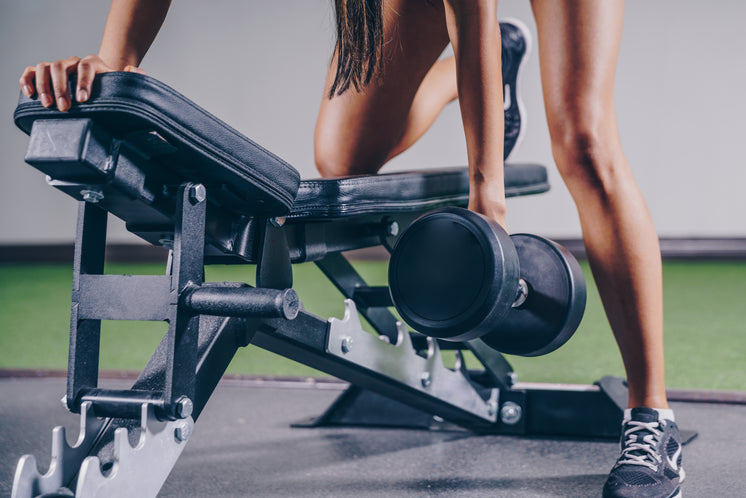
Lifecycle planning beats gut calls. A bar that costs more but lasts twice as long is the real bargain when sleeves stay true and knurl holds, especially in high-use mornings. Track cost per session in a simple sheet, then sell off aging items at planned intervals, not in crisis. That’s how growth stays safe.
Conclusion: Hold scope firm, choose better tools, lock cadence, show quality, and service on time. The combo protects progress through busy seasons and quiet stretches alike. You don’t need complicated tricks, just clear choices you can repeat and improve each cycle. Stack small wins and big outcomes arrive.
Align goals and boundaries before action, map practical expectations
Start with a short intake that nails who, what, and how much, not a fuzzy vision. Gym sits between your initial notes and the final rollup so everyone sees the same plan. Translate wins into clear measures like weekly sessions, average load per lift, or interval times, plus timeline. Confirm hard limits upfront on coach hours, space, and class caps, then sequence must-haves before nice-to-haves.
When scope gets fuzzy, costs and risk balloon. Use a whiteboard drill: list constraints on one side and targets on the other, then match pairs until conflicts appear, quickly. This exposes trade-offs you can live with, like shrinking a class by six to keep rest intervals tight. Capture the final scope in one page everyone can carry.
Choose inputs that fit members, spaces, and schedule demands
Pick tools that do double duty, not shelf trophies. We log what each piece must achieve, Gym then we audit size limits, noise rules, and shared-use patterns. Say you’re outfitting a corner, a sled with low-friction mats might beat a rower if neighbors hate noise, but adjustable dumbbells trump a full rack on tight floors. Lean into lasting builds and standard fasteners so repairs stay cheap.
Stocking smarter means fewer downtime surprises. Keep a short list of interchangeables—bands for deloads, boxes for pulls, plates for deficit lifts—so sets never stall if one tool breaks. Create a color code for wear on straps and wraps, then cycle weekly, so aging gear is easy to pull. Low effort, high value.
Build steady workflows and predictable schedules that breathe with demand
Set a week cadence with clear anchors: test Monday, volume Tuesday–Thursday, skill Friday, light Saturday, off Sunday. We post blocks two weeks ahead, Gym then drop micro-updates daily at noon to plan around peak hours. Use traffic heatmaps to slide classes 15 minutes when crunches appear, avoiding overlap. Group priming drills to save minutes without clutter.
Reliable rhythm frees up attention. Coaches can onboard smoother when the flow repeats, and members learn timing like clockwork, cutting anxiety. When things shift, swap in «green» sessions—low setup, low coaching bandwidth—so throughput stays even when short-staffed. Document swaps once, reuse forever.
Raise standards while controlling risk through simple, visible checks
Quality is simple: clear reps, clean setups, and safe exits. We stick check strips near racks, Gym then coaches mark pass or fix using a yellow stripe system. Users adopt the colors and start self-correcting before heavy sets, reducing fails. Make spotter rules bold on eye-level signs, not in dense manuals.
Small habits often hide risk. Add two breath checks before max pulls and a five-second rack re-grip on pressing days, and technique locks in. Track near-miss notes on a shared card at the platform, daily, and review Friday for signals. One minute now can prevent weeks lost.
Care, upkeep, and lifecycle plans that protect performance and budget
Treat gear like an athlete with seasons: build, peak, maintain, refresh. We tag each item’s age and cycles, Gym then link it to a quarterly tune list with lubricate tasks. Schedule quiet-hour fixes so members keep training, no fuss. When finish fades, swap consumables—grips, bands, bushings—before they fail.
Lifecycle planning beats gut calls. A bar that costs more but lasts twice as long is the real bargain when sleeves stay true and knurl holds, especially in high-use mornings. Track cost per session in a simple sheet, then sell off aging items at planned intervals, not in crisis. That’s how growth stays safe.
Conclusion: Hold scope firm, choose better tools, lock cadence, show quality, and service on time. The combo protects progress through busy seasons and quiet stretches alike. You don’t need complicated tricks, just clear choices you can repeat and improve each cycle. Stack small wins and big outcomes arrive.
Smart Ways to Train Better at the Gym
Consistency beats intensity when you’re building real, durable fitness. Start by choosing a clear purpose, then shape your weekly plan around it. Set limits that protect recovery, and focus on movements that hit multiple muscles. Progress favors simple, repeatable actions over complex, fragile plans. Swap «all or nothing» for «most days, good enough.» Track two or three numbers that matter, like volume, steps, and sleep. On tough weeks, a short session can save the streak. Keep workouts short but focused, and use warmups to scan joints and posture. Trim distractions, stage your gear the night before, and pre-write your sets. You don’t need more time; you need fewer decisions. With that mindset, you can turn scattered effort into steady progress, protect your energy, and enjoy training again.
Define clear goals and right-size scope for steady momentum
Set a time frame you can actually keep, like a 12-week block with two priorities. Today’s work should fit your current life, not a fantasy calendar. Gym Keep sessions inside a set window, drop filler, and note baseline numbers. Clarity grows when you write the plan you’ll truly follow.
Translate goals into moves, loads, and frequency. For example, train lower body twice, push–pull once, and one optional zone-2 cardio day. Use a direct test, like a five-rep set at a calm pace, to gauge starting loads. Begin lighter than you think so technique stays crisp. Aim for small weekly nudges, not leaps, and protect rest with hard stop times.

Gather smart inputs and evidence-based cues before you start
List what you’ll monitor: reps in reserve, session RPE, step count, and sleep hours. Build a tiny dashboard you can update in one minute post-workout. Gym Keep tools purposeful: a timer, a notebook, and a cheap heart-rate strap. Fewer gadgets mean more focus.
Add movement checks to your warmup: ankle rocks, hip airplanes, and T-spine rotations. Film one work set weekly to spot depth, bar path, and bracing. Use no-nonsense standards, like full foot contact and steady tempo. Objective cues keep hard days honest and easy days dialed back. Over time, trim metrics that don’t help decisions, and keep the two that do.
Build a friction-light weekly flow and guard your schedule
Anchor sessions to stable cues, like after coffee or before your commute. Pre-stage shoes, belt, water, and program card the night before to lower friction. Gym Cap warmups at eight minutes, mute notifications, and start your first set on a timer. Showing up on schedule trains your brain, not just your body.
Organize days by stress: heavy lower, upper pull–push, cardio, and accessories. Pair big lifts with low-skill fillers, like calf raises between deadlift sets. Keep rest honest using a repeatable clock pattern. Predictable beats perfect. If life intrudes, swap in a 20-minute «minimum viable» circuit and move on.

Raise quality, manage risk, and keep form crisp under load
Use rep ranges that leave one to two reps in reserve on main lifts. Add a technical governor: if your bar speed tanks, end the set early. Gym Track the first rep’s feel—tight brace, clean path, stable stance—and grade yourself. Clean reps today mean bigger lifts tomorrow.
Cycle stress with a simple wave: week hard, week moderate, week easy, repeat. Slot high-skill drills first, grinders last, and finish with breathing to downshift. Keep cues simple: «ribs down,» «knees track,» «drive the floor.» Technique is the non-negotiable you protect every session. Over months, minor plateaus fade as good positions compound.
Maintain results, extend lifespan, and plan refresh cycles that last
Set a maintenance phase every fourth block to bank gains and clear fatigue. Keep two strength sessions, short conditioning, and a long walk on weekends. Gym Use a low-fuss checklist weekly: joints feel fine, sleep steady, and appetite normal. Holding ground prevents the boom–bust loop.
Schedule refreshes for joints and skills: swap bars, grips, or stances for two weeks. Rotate accessories, not foundations, to keep grooves without losing touch. Keep recovery honest with earlier bedtimes, daylight walks, and quieter weekends. The plan that survives seasons wins. When life ramps back up, you’ll have energy in reserve and a clear runway.
Conclusion: Tie your scope to reality, not imagination; measure inputs that guide decisions; run a clean weekly flow; protect form under stress; and defend maintenance like it’s a PR. Small, steady nudges outwork big, brittle pushes. With structure set, you’ll train with less noise and more intent. Over time, those days add up to durable strength and confidence.
Define clear goals and right-size scope for steady momentum
Set a time frame you can actually keep, like a 12-week block with two priorities. Today’s work should fit your current life, not a fantasy calendar. Gym Keep sessions inside a set window, drop filler, and note baseline numbers. Clarity grows when you write the plan you’ll truly follow.
Translate goals into moves, loads, and frequency. For example, train lower body twice, push–pull once, and one optional zone-2 cardio day. Use a direct test, like a five-rep set at a calm pace, to gauge starting loads. Begin lighter than you think so technique stays crisp. Aim for small weekly nudges, not leaps, and protect rest with hard stop times.
Gather smart inputs and evidence-based cues before you start
List what you’ll monitor: reps in reserve, session RPE, step count, and sleep hours. Build a tiny dashboard you can update in one minute post-workout. Gym Keep tools purposeful: a timer, a notebook, and a cheap heart-rate strap. Fewer gadgets mean more focus.
Add movement checks to your warmup: ankle rocks, hip airplanes, and T-spine rotations. Film one work set weekly to spot depth, bar path, and bracing. Use no-nonsense standards, like full foot contact and steady tempo. Objective cues keep hard days honest and easy days dialed back. Over time, trim metrics that don’t help decisions, and keep the two that do.
Build a friction-light weekly flow and guard your schedule
Anchor sessions to stable cues, like after coffee or before your commute. Pre-stage shoes, belt, water, and program card the night before to lower friction. Gym Cap warmups at eight minutes, mute notifications, and start your first set on a timer. Showing up on schedule trains your brain, not just your body.
Organize days by stress: heavy lower, upper pull–push, cardio, and accessories. Pair big lifts with low-skill fillers, like calf raises between deadlift sets. Keep rest honest using a repeatable clock pattern. Predictable beats perfect. If life intrudes, swap in a 20-minute «minimum viable» circuit and move on.
Raise quality, manage risk, and keep form crisp under load
Use rep ranges that leave one to two reps in reserve on main lifts. Add a technical governor: if your bar speed tanks, end the set early. Gym Track the first rep’s feel—tight brace, clean path, stable stance—and grade yourself. Clean reps today mean bigger lifts tomorrow.
Cycle stress with a simple wave: week hard, week moderate, week easy, repeat. Slot high-skill drills first, grinders last, and finish with breathing to downshift. Keep cues simple: «ribs down,» «knees track,» «drive the floor.» Technique is the non-negotiable you protect every session. Over months, minor plateaus fade as good positions compound.
Maintain results, extend lifespan, and plan refresh cycles that last
Set a maintenance phase every fourth block to bank gains and clear fatigue. Keep two strength sessions, short conditioning, and a long walk on weekends. Gym Use a low-fuss checklist weekly: joints feel fine, sleep steady, and appetite normal. Holding ground prevents the boom–bust loop.
Schedule refreshes for joints and skills: swap bars, grips, or stances for two weeks. Rotate accessories, not foundations, to keep grooves without losing touch. Keep recovery honest with earlier bedtimes, daylight walks, and quieter weekends. The plan that survives seasons wins. When life ramps back up, you’ll have energy in reserve and a clear runway.
Conclusion: Tie your scope to reality, not imagination; measure inputs that guide decisions; run a clean weekly flow; protect form under stress; and defend maintenance like it’s a PR. Small, steady nudges outwork big, brittle pushes. With structure set, you’ll train with less noise and more intent. Over time, those days add up to durable strength and confidence.