Mastering Results at the Gym: Quality-First Training That Delivers
Sticking with a quality-first approach beats chasing hype or copying strangers online. You want simple rules, clear checkpoints, and steady progression that still leaves room for real life. Start with a realistic baseline, then shape efforts to your goals, time, and recovery window. Commit to small, trackable steps that add up session by session. Build guardrails that prevent reckless jumps, nagging pain, or wasted hours. Use short benchmarks to flag drift, like last week’s reps at the same load or a two-minute mobility test. When results hiccup, audit technique, sleep, and stress before adding volume. Keep the plan flexible enough to survive travel, deadlines, and kid pickups. With clear roles for warm-ups, main lifts, and accessories, you reduce guesswork and raise success odds. Consistency rises when the path is visible and the rules are simple.

Set scope and targets first for direction and steadier progress
Define the outcome you want, the timeline, and the constraints you’ll honor. You can grab our quick planning guide Gym to outline sessions, checkpoints, and weekly reviews. Choose one primary goal for a 6–8 week block and set non-negotiables like session length, movement limits, and minimum recovery. Picture a teacher squeezing in lunch-hour training with two supersets and a brisk finisher. Use ranges, not rigid numbers; aim for RPE targets or percentage windows that leave room for life. When the week goes sideways, keep the spine of the plan and trim accessories. Review outcomes every Friday with a three-point check: pain, performance, repeatability.
Pick tools you can measure: a training log, a timer, and a simple readiness score. Calibrate expectations by your current capacity, not by a highlight reel. Establish a weekly floor you can always meet, even on hard weeks. Define ceilings too, like no more than two new movements per block. This protects learning quality and lowers error rates when fatigue rises. Tie milestones to concrete actions, not vibes—like adding two reps at the same load or shaving 10 seconds off a carry. Each quarter, zoom out to confirm your goal still fits your season of life.
Choose inputs and equipment with purpose to reduce guesswork and waste
Select movements that serve your goal and fit your joints today. Download a movement pool you trust Gym and tag each item for strength, power, or capacity. Start with proven patterns: squat, hinge, push, pull, carry, rotate. With cranky wrists, swap barbell presses for neutral-grip dumbbells. Keep a lean kit so setup is fast and tracking is simple. Choose one cardio mode per block to reduce interference. Fewer choices sharpen focus and make wins unmistakable.
Fuel, sleep, and warm-up are also inputs, not afterthoughts. Treat a 5–7 minute ramp as required maintenance: breath, pulse, pattern, prime. Build a tiny checklist: nasal breathing, joint circles, positional holds, and a rehearsal set. For fuel, aim for a pre-session carb source you tolerate every time. Hydration matters more than you think when training in the afternoon. Track sleep, stress, and steps to see what really moves the needle. If joints bark, switch to stable variations and keep the plan rolling.
Build weekly rhythms and simple workflows that protect momentum
Group similar tasks so sessions flow faster and thinking load stays low. Create a tight cadence you can run on autopilot Gym during busy weeks. Example: Monday hinge + push, Wednesday squat + pull, Friday total-body circuit. Pair main lifts with non-competing accessories to save time. Set a session ceiling so life cannot derail your plan. Keep transition rules, like 60–90 seconds between accessory sets and 2–3 minutes for main lifts. Short, steady rests beat random scrolling and late-night stress.
Batch prep gear and notes the night before. Lay out shoes, fill a bottle, and pre-select loads for top sets. Use a single sheet or app template so you never start cold. Rituals cut startup costs and increase reliability. Add a two-minute exit checklist: jot top set, rate effort, and flag next steps. Workflow beats willpower once your life gets hectic. When you’re crushed, a tiny session still defends the habit.
Raise quality and manage strain with tight cues and checkpoints
Technique first, especially under fatigue. Build a repeatable cue stack for each lift, and check it Gym before top sets. For a squat: tripod foot, knees track, sit between hips, drive out. Film one set per pattern weekly for a quick visual audit. Use RPE or velocity loss caps so intent, not ego, sets the limit. Track «pain, pinch, or pressure» signals and move to friendlier variations fast. Protect tendons by progressing range and speed slower than load.
Use quality gates between blocks. Hold volume steady until reps and form are solid across sessions. Insert low-stress micro-deloads after dense life weeks. Stress outside the room still taxes your system. Test movement competency with simple standards, like a 20-second single-leg balance or a three-second pause squat. When a check slips, slow down and groove pattern control. Keep ego out by tracking best-average, not just best-single. Quality today sets up capacity tomorrow.
Budget time and energy with trade-offs that match your season
Decide where to spend effort and where to accept «good enough.» Make a priority map you revisit weekly Gym to keep focus tight. When capacity matters most, drop accessories and hold one main lift. Protect recovery slots the same way you protect meetings. Ten extra minutes of sleep can out-return a fourth accessory set. Cut novelty that doesn’t move your main metric. Use fewer lifts, but milk them for more progress.
Budget by calendar, too. Shift to minimal-effective-doses when work or family ramps. In slower months, scale volume and learning time. Add a technique day with light loads and long eccentrics. Price each goal honestly: mass requires food and sleep; max strength needs patience and joint care. If you can’t pay the price, resize the goal for now. Track energy with a quick morning score, then match session intensity. You’ll hit more planned targets when effort fits the day.
Coordinate schedules and feedback loops to keep everyone aligned
If you train with a partner or coach, set clear signals. Use a shared log and weekly check-in Gym so notes don’t vanish in chat threads. Build a cue glossary so feedback lands fast. Decide who calls load bumps and who watches tempo. Defined jobs reduce friction and missed reps. Keep a quick pre-session brief: today’s focus, expected rate of effort, and one quality target. Small huddles prevent big misfires later.
If you manage a small team class, post the structure early. Offer A/B/C tiers so everyone knows their lane. Set timer cues so the room turns together. Use color-coded cards for variations to speed setup. Encourage two-way notes after class: one win, one snag, one tweak. This builds a loop where programming improves week by week. Protect the vibe: respect time windows, clean as you go, and celebrate quiet progress. A focused room compounds results faster than a chaotic one.
Conclusion: When you align scope, choose proven inputs, and run tight workflows, progress accelerates without drama. Quality gates and risk controls keep you training long enough to reap real gains. Thoughtful budgeting and clear coordination protect energy and make sessions repeatable. Put these ideas together and you’ll own a system that survives busy weeks, compounds small wins, and delivers durable results.


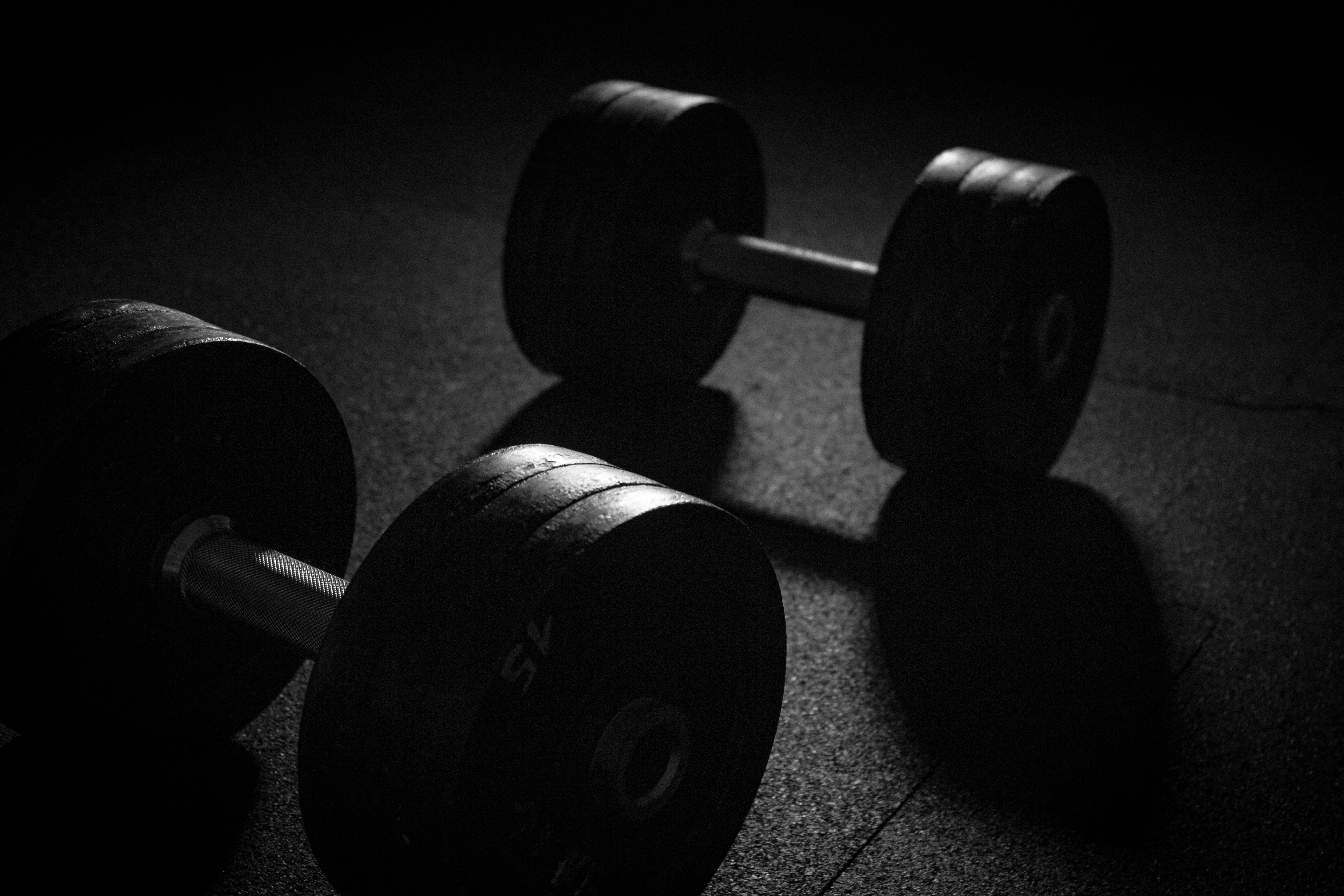
 Choosing a suitable gym involves considering equipment, location, membership options and workout preferences. Some people prefer weight lifting and strength training, while others enjoy cardio machines or guided exercise classes. Strength training is a common part of many fitness routines because it helps develop muscular strength and physical capability. A gradual approach allows individuals to become familiar with exercise equipment before increasing workout difficulty. Common strength exercises include squats, presses, rows and other movements involving major muscle groups. Cardio workouts offer a convenient way to develop aerobic fitness and build exercise endurance. Treadmills, exercise bikes, elliptical trainers and other cardio machines can provide options for different fitness levels. A balanced workout schedule may include resistance exercises, aerobic activity and sufficient recovery time. Many individuals find that exercising with others creates additional motivation and makes workouts more enjoyable. Depending on the Crunch Fitness location, members may find group exercise programs involving strength, cardio or other fitness formats. Working with a qualified trainer may help individuals learn equipment techniques and organize their workout routines. Individual training plans should reflect personal abilities, health considerations and realistic expectations. Building regular gym attendance habits can be more sustainable than making sudden changes to exercise routines. Many beginners benefit from starting with a few planned sessions each week and increasing activity as appropriate. A balanced fitness routine should include sufficient recovery alongside exercise sessions. Sleep, hydration, appropriate nutrition and rest can support general workout readiness. Crunch Fitness offers a gym experience centered on exercise variety, movement and a positive training environment. Checking available gym services before joining can help individuals choose an option that meets their needs. An enjoyable workout routine can make regular physical activity easier to maintain over time. Connect with Crunch Fitness to explore training opportunities and find a gym experience that matches your fitness interests. This information is intended for general fitness education and does not replace individualized medical or exercise advice.